Does Anyone Else Feel Like Making Real Friends Has Become Weirdly Difficult?
Does anyone else feel like making real friends has become weirdly difficult? If this question has crossed your mind—maybe while scrolling through your phone, standing in a crowd, or settling into a new country—you are far from alone. Social feeds are overflowing, yet the deep, effortless friendships that once seemed natural now feel elusive or even forced. For Malaysian students considering studying abroad, this tension is especially real. Leaving behind familiar mamak dinners, hometown lingo, and lifelong mates only to face a new campus in a foreign land can make the quest for genuine connection feel like a riddle. At Study Australia MY, we hear this often, and we are here to walk through it with you.
In this article, we unpack why “Does anyone else feel like making real friends has become weirdly difficult?” has become a defining mood of our time, what unique layers international students face, and how an Australian education can be the surprising backdrop where real friendships finally click.
Why Does Adult Friendship Feel So Weirdly Complicated?
It is not your imagination. Friendship in adulthood, especially as you transition into university and beyond, is fundamentally different from childhood or secondary school. In school, proximity and repeated unplanned interactions—class timetables, extracurriculars, recess—did 90% of the work for you. As an adult, those structures dissolve. You have to initiate, follow up, and nurture connections without a shared timetable. This shift often triggers the very feeling you have typed into a search bar: does anyone else feel like making real friends has become weirdly difficult?
Add to that the digital layer. Social media gives the illusion of closeness while often substituting depth with performance. We watch each other’s stories, drop a like, and mistake it for bonding. Yet many of us are lonelier than ever. Psychologists refer to this as the “friendship paradox”—the gap between wanting genuine connection and mistaking digital interaction for emotional intimacy. When you are preparing to study overseas, these dynamics become even more amplified.
The International Student Layer: Why Friendship Feels Even Weirder Abroad
For Malaysian students landing in Australia, the question “does anyone else feel like making real friends has become weirdly difficult?” carries a heavier weight. You are no longer just navigating adult friendship norms but doing so across culture, language nuance, and unfamiliar social scripts. At home, you knew the unwritten rules: how to jio someone for a drink, what jokes land, when silence is comfortable. In a new country, even a simple invite can feel like a social minefield.
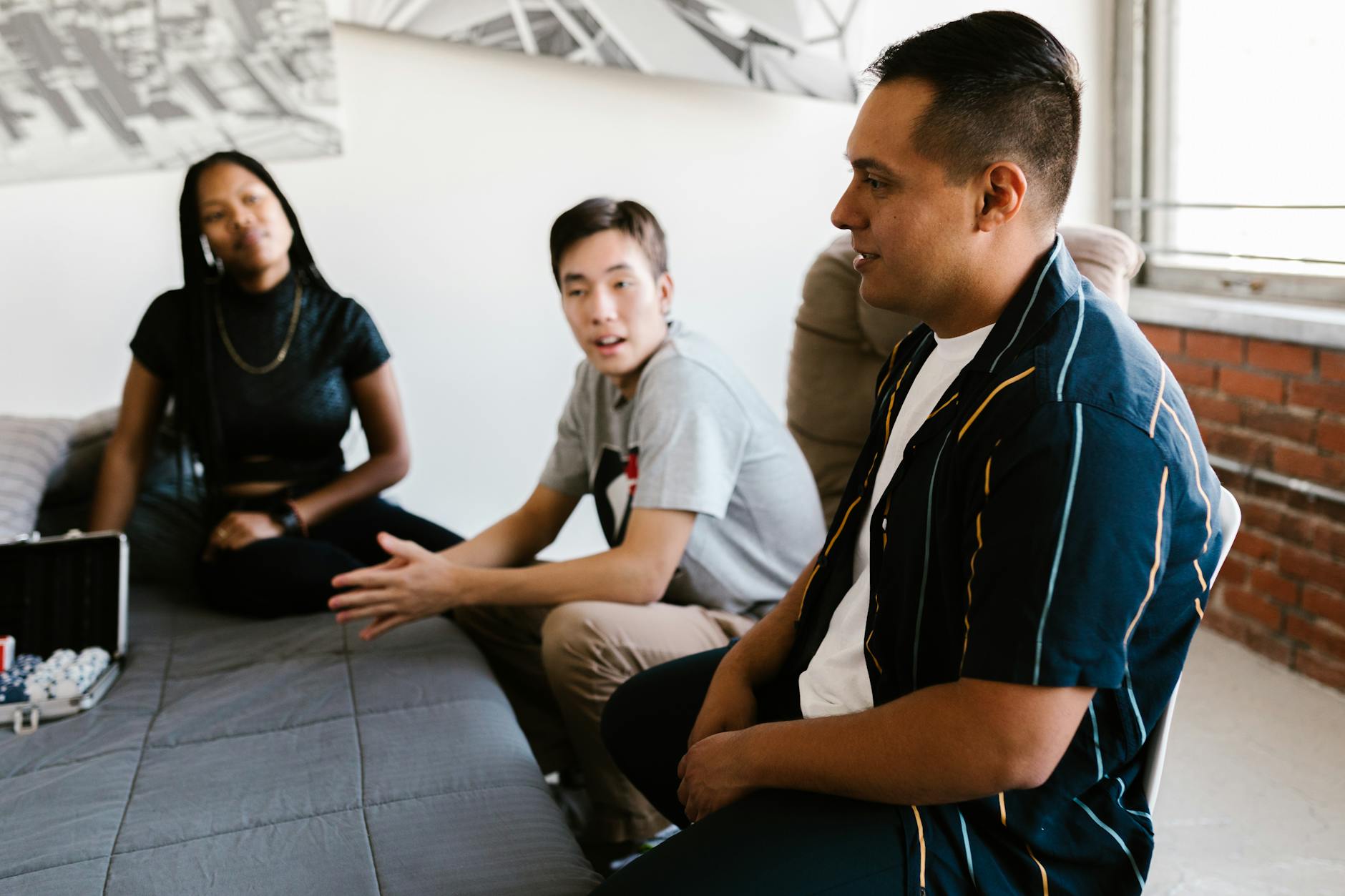
International students often experience a brutal transition period. Orientation week is a dizzying carousel of small talk, and after it ends, many sink into a routine of lectures, part-time work, and Netflix. The confidence that came naturally in KL or Penang suddenly feels out of reach. This is not a personal failing—it is a well-documented adjustment curve. Research on international student wellbeing consistently highlights loneliness as the top challenge for the first six months. That feeling that securing real mates has become bizarrely complicated is, in fact, a rational response to a massive life pivot.
The “Fresh Start” Trap
Many Malaysian students leave for Australia hoping for a fresh start—a chance to reinvent themselves. The irony is that the pressure to “put yourself out there” can intensify the very awkwardness you are trying to escape. When friendship becomes a project with milestones (must join 3 clubs, must speak to 5 strangers per week), it loses its organic texture. This goal-oriented approach to connection is another reason the thought “does anyone else feel like making real friends has become weirdly difficult?” keeps echoing in your head.
When Digital Life Replaces Real Connection
You would think that being perpetually connected would make friendship easier. But endless messaging and group chats often create a state of shallow constant contact, not deep availability. Many young adults today have hundreds of “friends” online yet no one they would call at 2 a.m. when homesickness hits. If you have ever typed “does anyone else feel like making real friends has become weirdly difficult?” into a search engine late at night, you have brushed against this digital loneliness.
In Australia, universities are actively pushing back against this. Campus life is designed to encourage incidental human contact: open lawns for spontaneous picnics, multicultural weeks, club expos, study pods that force gentle collisions. The challenge is that your phone will always be more comfortable than the initial awkwardness of face-to-face interaction. Real friendship demands that we push past the digital bubble. It still feels weird. It still feels difficult. But the environments that Australian universities create are deliberately built to make that transition shorter.
How Australian Campuses Are Built for Real Friendships
If you are a Malaysian student wondering whether moving to Australia will only amplify the feeling that making friends is weirdly difficult, the evidence suggests otherwise—provided you lean into what Australian uni life offers. Australian institutions understand that international students need more than just academic support; they need belonging. That is why campuses invest heavily in peer mentoring programs, international student lounges, language and cultural exchange clubs, and even dedicated first-year experience teams.
Structured Opportunities to Bond
Australian universities embed friendship-building opportunities into the calendar. From surf camps and bushwalking trips to international food fairs and cultural showcase nights, the emphasis is on shared experience rather than forced networking. These environments mimic the natural conditions where real friendships form: repeated, positive, informal interactions. When you are roasting marshmallows around a campfire near a Victorian national park, the question “does anyone else feel like making real friends has become weirdly difficult?” starts to dissolve. You stop thinking about making friends and simply start connecting.
The Malaysia-Australia Student Bridge
Another advantage for Malaysian students is the sheer size of the Malaysian diaspora in Australia. Melbourne, Sydney, Brisbane, Perth—each hosts active Malaysian student societies that organise everything from festive celebrations to futsal tournaments. These communities give you a reassuring taste of home while acting as a springboard into diverse friendship circles. It is common for students to meet a fellow Malaysian who then introduces them to their Australian flatmate, their Korean course mate, and their Indian study buddy. The network expands organically, and the earlier weirdness fades.
Practical Strategies When Friend-Making Feels Odd and Forced
Acknowledging that “does anyone else feel like making real friends has become weirdly difficult?” is a shared experience is step one. Step two is learning to work with the awkwardness instead of fighting it. Here are some strategies that Malaysian students in Australia have found genuinely helpful:
1. Prioritise Consistency Over Charm
The most magnetic person in the room does not always build the strongest friendships. It is the person who shows up consistently—to the same tutorial, the same coffee cart, the same Friday prayer space—who eventually becomes familiar, trusted, and liked. Consistency lowers the barrier for others to approach you.
2. Side-by-Side Over Face-to-Face
Psychologists note that male and female friendship patterns often differ, but one universally effective method is side-by-side activity. Join a hiking club, a board game society, a volunteering group. When you are doing something together, conversation becomes a by-product rather than the terrifying main event.
3. Embrace the “Second Tier” Friends
In the race for a “best friend forever”, we overlook the power of medium-level friends—the person you grab lunch with once a week, the one who saves you a seat in a lecture. These middle-tier connections are the soil in which deeper friendships eventually grow. They also relieve the pressure that makes socialising feel so weird.
4. Talk About the Awkwardness
One of the quickest ways to disarm loneliness is to name it. A simple, “Honestly, I find it so hard to make real friends here—does anyone else feel that way?” can open doors. Australians appreciate directness, and other international students will feel instant relief that someone vocalised what they have been feeling.
Does Anyone Else Feel Like Making Real Friends Has Become Weirdly Difficult? Reframing the Question
Perhaps the deeper issue is not that friendship has become weirdly difficult, but that our expectations have drifted from reality. We chase the idea of seamless, effortless bonding—the romanticised version from movies or childhood memories—and label anything less as failure. In truth, almost every close adult friendship was born from some form of initiative, vulnerability, and patience. Even the friendships you admire took time to move from awkward small talk to inside jokes.

When Malaysian students reflect on their Australian experience years later, they rarely remember the loneliness of the first few weeks. They remember the first Malaysian gathering where someone brought proper sambal, the road trip with a mix of local and international mates, the flatmate who became family. Those connections did not happen despite the weirdness; they grew through it. Real friends are made when you stop asking “does anyone else feel like making real friends has become weirdly difficult?” as a lament and start using it as an opener—a shared, honest place to begin.
FAQ: Navigating Friendship as an International Student in Australia
Is it normal to find it hard to make friends when you first move to Australia?
Absolutely. Almost every international student goes through an initial phase of loneliness and adjustment. It is a normal psychological response to leaving your familiar support network. The key is to not assume you are uniquely bad at socialising. Give yourself at least three to six months for genuine connections to form.
Why do I feel like making friends is weirder now than it was in high school?
In high school, you had daily structured contact with the same people. Adulthood removes that structure, forcing you to actively build your social world. This shift can feel unnatural and exhausting at first, but it is a universal experience, not a personal deficiency.
How can I meet people in Australia beyond just clubbing and partying?
Australian universities offer countless alternative social pathways: outdoor adventure clubs, volunteering opportunities, student leadership roles, religious and cultural groups, and special interest societies ranging from photography to e-sports. You can build a rich social life without ever setting foot in a nightclub.
Does anyone else feel like making real friends has become weirdly difficult?
Yes, and millions of people quietly share this feeling. Acknowledge it, talk about it, and use it as a bridge rather than a barrier. Many lifelong friendships have started exactly from that shared admission.
The Quiet Truth About Making Real Friends Abroad
If you have searched “does anyone else feel like making real friends has become weirdly difficult?” hoping for a magic fix, the answer is both comforting and challenging. The discomfort you feel is not a glitch in your personality; it is a sign that you value depth over superficial chatter. That is a strength. Studying in Australia will not instantly make friendship effortless, but it will place you in an environment brimming with other people—local and international—who are equally eager for something real. The weirdness will still be there. The difficulty will still exist. But when you find your people—whether over a bowl of laksa at a student-run food fair or on a weekend surf lesson at Bondi—you will realise that the awkward in-between stages were never a dead end. They were the doorway.