The headline ‘Hong Kong property recovery tested as bigger student housing deals gain traction’ captured the attention of investors and education planners alike in early 2026. As Hong Kong attempts to shake off a prolonged real estate slump, large-scale deals in the purpose-built student accommodation (PBSA) sector are pulling the city’s property narrative in a new direction. For Malaysian families and students who have long viewed Hong Kong as a regional study destination, the story raises a pressing question: If student housing is now a driving force of recovery, what does that mean for affordability, quality and choice? At the same time, Australia’s mature student accommodation market offers an alternative that many Malaysian students are already choosing — often with clearer contracts, stronger tenant protections and a pathway to post-study work that the city-state simply cannot match. This article unpacks the SCMP’s analysis and why the ‘Hong Kong property recovery tested as bigger student housing deals gain traction’ narrative should prompt a fresh look at Australia for your overseas degree.
Understanding the Hong Kong Student Housing Surge
The last two years have seen a wave of institutional capital flow into Hong Kong’s student accommodation segment. Unlike traditional residential towers, PBSA developments are backed by global real estate funds and educational groups looking to capture the cross-border student flow from mainland China, Southeast Asia and beyond. The SCMP report highlighted that several hotel-to-student-housing conversions and ground-up PBSA projects are now approaching completion, with deal sizes climbing from a few hundred million to over HKD 1 billion.
For Malaysian students accustomed to comparing destinations, the numbers are significant. In Hong Kong, a purpose-built studio unit can now command HKD 18,000–25,000 per month in districts near universities like CUHK or HKU. When converted to Malaysian ringgit — at roughly HKD 1 = MYR 0.57 — that equates to MYR 10,000–14,000 monthly rent, a figure that exceeds the total monthly allowance of many families sending children abroad. Yet developers argue that the surge is justified: modern PBSA buildings come with security, gyms, communal kitchens and all-inclusive bills, appealing to students who once competed for cramped subdivided flats.
Why Student Accommodation Deals Are Testing Hong Kong’s Property Recovery
The phrase ‘Hong Kong property recovery tested as bigger student housing deals gain traction’ points to a structural tension. On one hand, the office and luxury residential sectors in Hong Kong remain sluggish, weighed down by high interest rates and cautious corporate leasing. On the other, student housing is clocking yields of 4–5%, notably higher than prime residential yields around 2.5%. This is luring developers to pivot away from traditional condominiums toward student assets, which is artificially boosting transaction volumes in the real estate market.
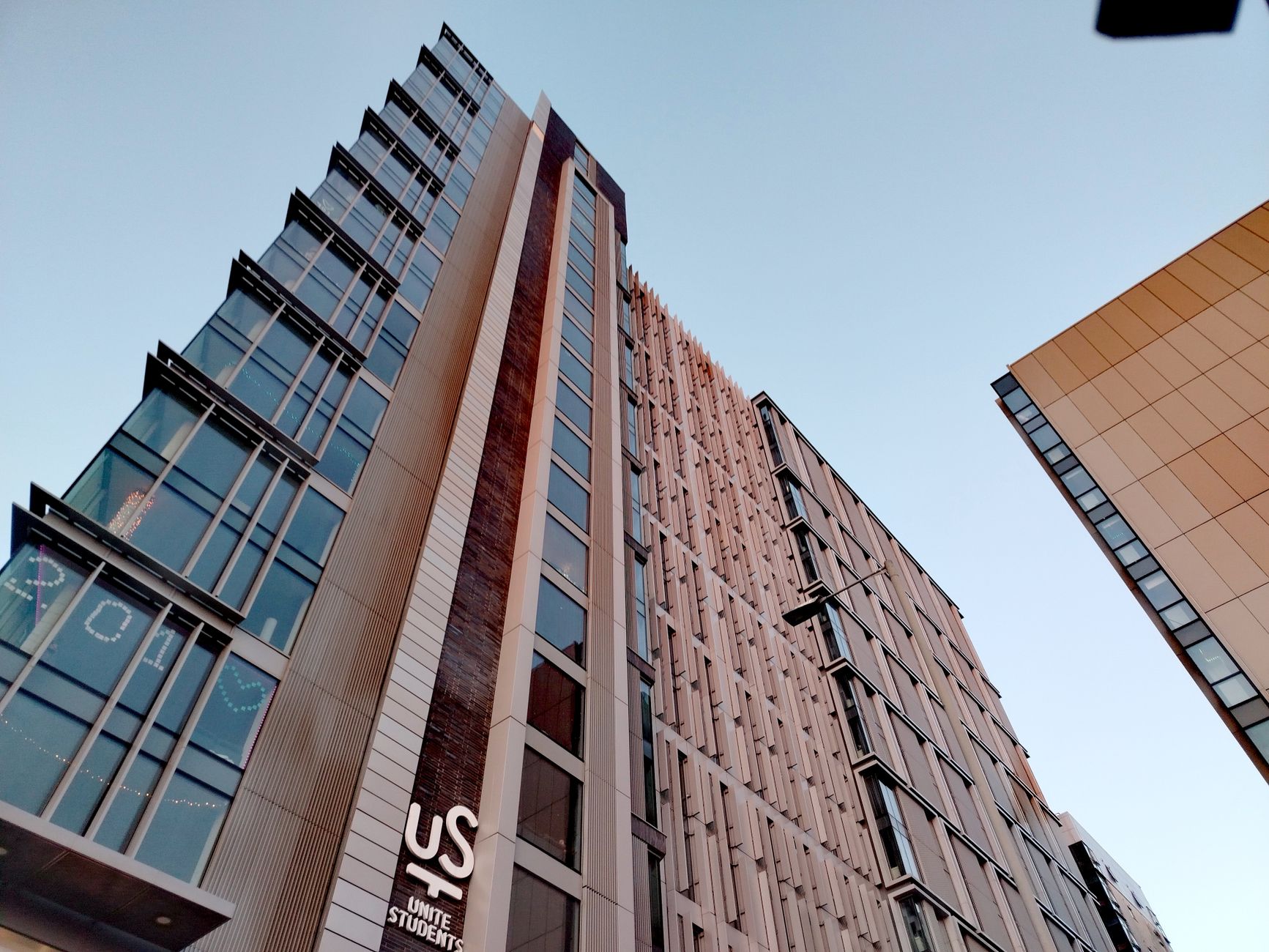
The concern, as flagged by analysts, is that a recovery built on a narrow PBSA foundation may not be durable. Student flows can shift quickly — visa policy changes, geopolitical developments or a single university’s reputation dip can redirect cohorts. If Hong Kong’s property rebound hinges on ‘bigger student housing deals’, a sudden drop in international enrolment could leave purpose-built towers half-empty. That volatility is exactly what many Malaysian parents wish to avoid when they commit to a multi-year overseas education investment.
How Malaysian Students Are Shaping Overseas Accommodation Demand
Malaysia sends one of the largest cohorts of outbound university students in Southeast Asia, with Australia, the UK and Hong Kong all competing for the same talent pool. According to ICEF Monitor data, the number of Malaysian degree-seekers abroad exceeded 80,000 in 2024, and a growing proportion are prioritising accommodation quality as a key decision factor — right alongside university ranking and course content.
PBSA developers in Hong Kong actively target Malaysian students through education agents and property roadshows in KL and Penang. They market the city’s proximity — a four-hour flight from Kuala Lumpur — as well as the convenience of living in a global financial hub. However, the ‘Hong Kong property recovery tested as bigger student housing deals gain traction’ narrative also exposes a risk: when student accommodation becomes a developer’s profit centre, the student experience can shift toward maximum rent extraction. Malaysian students are increasingly sensitive to value for money, and anecdotal feedback in regional forums suggests that many feel boxed into Hong Kong’s notoriously small living spaces despite paying premium prices.
Australian Student Housing: A Stable and Transparent Alternative
By contrast, Australia’s student accommodation sector — spanning on-campus residential colleges, university-managed apartments and private PBSA networks such as Scape, UniLodge and Iglu — has matured over two decades. For Malaysian students, the Australian system offers distinct advantages that Hong Kong is only now trying to replicate.
First, Australian student accommodation contracts are regulated by state tenancy laws in Victoria, New South Wales, Queensland and beyond, providing clear rules around bond lodgement, rent increases and dispute resolution. Hong Kong’s PBSA lease terms remain largely commercial agreements without the same level of statutory protection. Second, Australian providers bundle utilities and internet as standard, and many include social programming, mental health support and 24/7 on-site management, reducing the isolation that some first-year Malaysian students experience abroad. Third, the rental per square metre in cities like Melbourne or Brisbane, when benchmarked against MYR, often undercuts Hong Kong while offering significantly more personal space.
A typical shared apartment room in a PBSA building in Melbourne’s CBD runs AUD 350–480 per week (roughly MYR 1,000–1,370). A self-contained studio might be AUD 550–750 weekly (MYR 1,570–2,140). These figures are far from cheap, but compared to a Hong Kong studio at MYR 10,000–14,000 a month, the Australian option delivers more generous floor plans, on-site facilities and often a clearer transition path to a working visa.
What ‘Hong Kong Property Recovery Tested as Bigger Student Housing Deals Gain Traction’ Means for Education Planning
When a major media outlet frames a city’s property rebound around student housing, Malaysian families should read between the lines. It means student accommodation is no longer a secondary concern — it is now a frontline economic play, with prices and availability subject to investor sentiment just as much as student demand. This can create sudden cost spikes. In 2025, several Hong Kong PBSA operators increased rents by 10–12% in January alone, catching second-year students off guard.
For those evaluating where to spend MYR 400,000–800,000 on a three-year undergraduate degree, the living-cost volatility matters. A stable, predictable accommodation cost is easier to model into a family’s financial plan. Australia’s student visa framework, which allows part-time work and provides a post-study work visa of two to four years depending on qualification level, further cushions the expense. The result is a total cost of attendance that, while high, can be more transparently forecast than in a market undergoing a ‘Hong Kong property recovery tested as bigger student housing deals gain traction’ disruption.
Cost Comparison: Hong Kong vs. Australian Student Living for Malaysians
To ground the discussion in ringgit terms, let’s look at a direct monthly expense breakdown for a Malaysian undergraduate in 2026 (all figures approximate, in MYR):
- Hong Kong (non-PBSA shared flat, Kowloon): Rent MYR 5,500–7,500; utilities MYR 500; food MYR 2,000; transport MYR 300; total MYR 8,300–10,300.
- Hong Kong (PBSA studio, city fringe): Rent MYR 10,000–14,000; utilities included; food MYR 2,000; transport MYR 300; total MYR 12,300–16,300.
- Melbourne (PBSA shared apartment, student cluster): Rent MYR 4,300–5,480; utilities included; food MYR 1,500; transport MYR 250; total MYR 6,050–7,230.
- Brisbane (PBSA studio, near UQ): Rent MYR 6,280–8,560; utilities included; food MYR 1,400; transport MYR 200; total MYR 7,880–10,160.
While rent constitutes the largest variance, the Australian numbers include better space standards and stronger tenant rights. Even more importantly, Malaysian students in Australia can legally work up to 48 hours per fortnight during term and unlimited hours during breaks, earning AUD 24–30 per hour in hospitality or retail, which can offset a significant chunk of living costs. Hong Kong’s part-time work permissions for international students are more restrictive and do not come with the same post-graduation stay opportunities.
Future Outlook: Why This Trend Strengthens Australia’s Case for Malaysian Students
The SCMP’s coverage suggests that Hong Kong’s PBSA rally will continue through 2026, but only if international student numbers hold. Any easing of border policy, competition from Singapore’s new university campus or a shift in Chinese student preference could re-test that recovery. For Malaysian families, building a study plan around a destination where accommodation is treated as a speculative asset class feels risky.

Australia is not immune to rental pressures — Sydney and Melbourne are also seeing housing shortages — but the policy response has been more student-centric. The Australian Government’s National Student Ombudsman, established in 2024, now handles accommodation complaints against PBSA operators. State governments are tightening short-stay rental rules to free up long-term rental stock. Meanwhile, Australian universities continue to expand their own portfolio of managed residences, often reserving places for international students at guaranteed rates if booked early.
For the Malaysian student weighing an overseas degree in 2027 or 2028, the decision matrix should include not just university prestige or course availability, but the resilience of the local student housing system. The headline ‘Hong Kong property recovery tested as bigger student housing deals gain traction’ is a reminder that student accommodation is no longer a passive background cost — it is now a volatile, headline-making influence on the total cost of study. Australia’s more evolved regulatory approach and its embedded support for international students from orientation to graduation make it a stronger long-term bet for most Malaysian families.
FAQ
Is student accommodation in Australia safer than in Hong Kong? Australian PBSA and university-managed residences are regulated under state residential tenancy laws, which mandate safety standards, bond protections and dispute resolution mechanisms. While Hong Kong’s new PBSA developments are modern, consumer protections for student tenants are less formalised. For Malaysian parents, the Australian framework offers greater legal clarity.
Can Malaysian students work part-time while studying in Australia to cover housing costs? Yes. Malaysian student visa holders can work up to 48 hours per fortnight during term time and unlimited hours during scheduled breaks. At minimum award wages, a student earning AUD 24–28 per hour can realistically cover most of their rent in shared PBSA accommodation, something that is harder to achieve under Hong Kong’s work restrictions.
How early should I book Australian student housing to secure a good rate? Most Australian universities and private PBSA providers open applications 6–8 months before the semester starts. Prices are typically lower for early-bird bookings, and popular buildings near campuses in Sydney and Melbourne fill up quickly. It is advisable to start the application process as soon as you receive a conditional offer.
What happens if I change university or course — can I break my accommodation lease? Australian PBSA leases often allow early termination if you can prove you are withdrawing from your institution or transferring to another city, though notice periods and break-lease fees vary. Always check the specific terms, as some providers offer more flexible ‘study abroad’ clauses than others. Hong Kong PBSA contracts tend to be less accommodating on early exit, which can be a financial liability if your plans change.
Is Hong Kong still a viable option for Malaysian students despite the housing cost surge? Hong Kong remains a strong destination for disciplines such as finance, law and international business, and for families who value geographic proximity to Malaysia. However, the rising cost and volatility of student housing, as discussed in the context of ‘Hong Kong property recovery tested as bigger student housing deals gain traction’, mean that students should budget carefully and consider whether the overall value proposition — including work rights and post-graduation opportunities — compares favourably with Australia.
Weighing the Housing-Sensitive Study Decision
The student accommodation landscape has shifted from a mundane pre-departure task to a headline economic indicator. As bigger student housing deals test Hong Kong’s property recovery, the resulting price fluctuations and investor-driven supply carry direct consequences for Malaysian families planning an overseas education. Australia’s student housing ecosystem — anchored by robust regulation, clear pathways to offset costs through part-time work, and a transparent post-study work visa system — presents a more balanced equation for those who want their living environment to support, not complicate, their academic journey. When you map the total cost of attendance, the protection of tenant rights and the freedom to earn while you learn, the Australian option remains one that deserves serious consideration for any Malaysian student looking beyond the short-term appeal of being in a financial hub.